Pet-Safe Fertilizers for Dogs: What to Use, What to Avoid, and When It Is Safe to Let Your Dog Back Outside
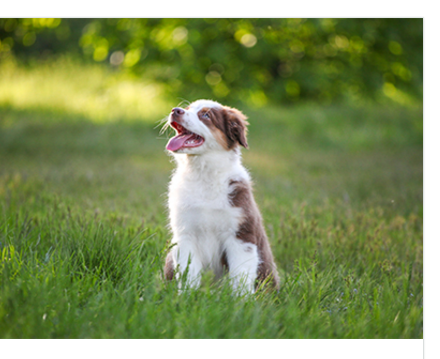
Lawn care and dog ownership can absolutely coexist — but a few common fertilizers and weed killers can cause serious harm if your puppy walks across treated grass and then licks their paws. Here's what every dog owner should know.
Fertilizers that are generally safe for dogs
- Composted manure (well-aged, no fresh manure)
- Seaweed and kelp-based fertilizers
- Bone meal and blood meal (use sparingly — dogs love the smell)
- Corn gluten meal (also a natural pre-emergent weed control)
- Organic liquid fish emulsion
Fertilizers and chemicals to avoid
- Synthetic fertilizers containing iron sulfate at high concentrations
- Insecticides containing organophosphates or carbamates
- Cocoa mulch — contains theobromine, the same toxic compound as chocolate
- Snail and slug bait containing metaldehyde
- Herbicides containing 2,4-D until fully dry and watered in
How long should you wait before letting your dog back outside?
For most granular fertilizers, wait until the product has been watered in and the lawn is completely dry — usually 24 to 48 hours. For liquid herbicides and insecticides, follow the label exactly; most require a minimum of 48 hours and sometimes up to a week before the area is safe for pets.
When in doubt, wipe your dog's paws after every outdoor session, store all lawn products in a locked shed, and call ASPCA Animal Poison Control at (888) 426-4435 if you suspect ingestion.
Ready to find your perfect puppy?
Browse our available puppies from reputable, vetted breeders.
Browse Puppies